

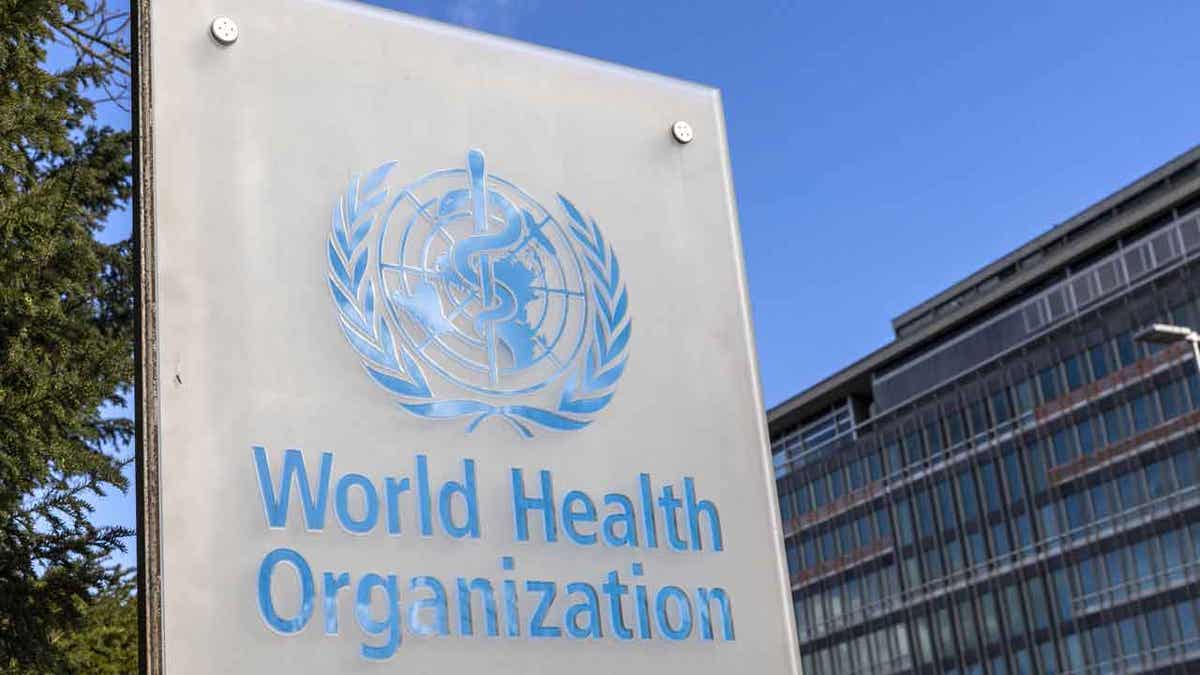
Health officials around the world just started a new system to catch flu outbreaks before they spread. The World Health Organization is leading this effort with laboratories in over one hundred countries. By sharing virus samples faster, experts hope to create better vaccines each year.
This initiative focuses on tracking animal flu strains that could jump to humans. Doctors want to catch dangerous changes in bird flu and swine flu early. Fast warning systems save lives, and this project puts all global health data into one shared network.
Why Global Health Agencies Are Tracking Flu Strains Now
Flu viruses change all the time. Small mutations happen every few weeks, while major changes occur every few years. When a bird flu virus mixes with a human flu virus, it can create a totally new strain that people cannot fight off easily.
Last year, farms in North America and Europe lost millions of birds to the H5N1 virus. Workers on those farms sometimes caught the virus too. While the virus did not spread easily from person to person, scientists saw it as a clear warning sign. They need better tools to spot changes in the wild before a real crisis starts.
The main goal is to protect public health through speed. If a clinic in a small village finds a strange illness, that sample goes to a regional lab right away. You can read about how nations set target standards on the Sustainable Development Goals page, which explains how global targets keep health systems accountable.

How the New Early Warning System Works Day to Day
The network connects local clinics, university labs, and national agencies. When a patient shows unusual symptoms, health workers take a quick swab. The swab goes through genetic sequencing to read the virus DNA or RNA.
Computers compare the new sample to thousands of known flu codes stored in a global cloud database. If the system spots a new mutation, it sends an alert to scientists across the world within hours. Years ago, this process took weeks or even months. Now, digital tools make the data visible almost instantly.
Speed matters because vaccine makers need months to produce seasonal shots. If scientists spot a dominant flu strain in March, companies can manufacture the right vaccine by September. Missing the window means millions of people get shots that do not match the active virus.
You can learn more about international trade and transport networks by checking out Global Ocean Freight Rates Surge as New Maritime Safety Rules Take Effect, which shows how global supply chains move critical goods during major events.
What Makes Bird Flu and Swine Flu Different from Seasonal Flu?
Seasonal flu travels through cities every winter. Most adult bodies remember similar viruses from past years, so their immune systems fight back quickly. You might feel sick for a week, but your body knows the basic blueprint of the virus.
Bird flu and swine flu come from animal populations. Human bodies have never seen these specific proteins before. When an animal virus infects a human, the immune system can overreact or fail to respond at all. That is why health agencies watch animal farms so closely.
- Bird Flu (Avian Influenza): Spreads mostly among wild birds and poultry. It rarely infects humans, but it can be severe when it does.
- Swine Flu (Pig Influenza): Moves easily among pigs. Pigs can catch bird flu and human flu at the same time, acting as a mixing bowl for new strains.
- Seasonal Human Flu: Passes easily from person to person through coughs and air drops. It causes regular winter sickness.
By monitoring farm animals and wild bird migrations, scientists catch new strains while they are still rare. Stopping a virus in an animal population is much easier than stopping it in a busy city.
How Scientists Build Better Flu Vaccines Each Year
Creating a flu shot is a race against time. Every February and September, experts meet to pick which three or four flu strains should go into the next vaccine. They look at data from millions of patient tests collected over the previous six months.
Once experts select the strains, drug factories start growing the virus in clean chicken eggs or synthetic tanks. This production phase takes about six months. If a new strain pops up in July, the fall vaccine might not cover it well.
The new tracking network helps solve this timeline problem. By gathering genetic data continuously, scientists can predict which strains will grow dominant before they actually spread widely. Better predictions mean better protective shots for older adults, kids, and hospital workers.
International groups track these improvements as part of global progress metrics. The history of international health benchmarks is documented on the Millennium Development Goals entry, which outlines how countries started tracking disease data together decades ago.
What Local Clinics Need to Support the Network
A global network is only as strong as its smallest clinic. Rural hospitals in developing areas often lack the high-tech machines needed to read virus genes. To fix this gap, international funds are paying for compact diagnostic kits in remote areas.
These small kits run on standard battery power and give results in under an hour. A nurse can test a patient, get a genetic match, and upload the report using a basic mobile phone connection. This keeps health data flowing from every corner of the planet, not just from rich cities.
Training local health workers is another major step. Nurses learn how to spot unusual cluster outbreaks in their towns. When three or four people from the same street get sick with severe fever, workers know to ship samples to the central state lab immediately.
For more updates on public health developments and international stories, visit our main page on latest global news and world events to stay up to date with fresh reports.
How International Cooperation Overcomes Border Controls
Viruses do not carry passports or stop at border checkpoints. A strain that starts in a small market can reach three different continents within twenty-four hours through commercial flights. That reality forces nations to work together even when political relations are strained.
The new initiative sets clear rules for sharing biological samples. Member states agree to send virus isolates to international central banks without charging fees or delaying for diplomatic reasons. Open access ensures that every lab, regardless of country, can study dangerous strains immediately.
This level of cooperation helps prevent panic and trade shutdowns. When health agencies have accurate, real-time data, governments can make calm decisions about travel rules and farm safety rather than closing borders out of fear.
What Can You Do to Protect Yourself This Season?
While scientists track high-level virus shifts, simple habits still protect individuals best. Getting your annual flu shot remains the single most effective action you can take. Even if the shot does not match a new strain perfectly, it gives your body partial protection that keeps you out of the hospital.
Basic hygiene stops flu viruses cold. Washing your hands with soap for twenty seconds breaks down the fat layer that surrounds the virus particle. Staying home when you have a fever stops the spread to co-workers and friends on public transport.
Pay attention to local public health notices during winter months. If health officials announce a new strain in your city, wearing a mask in crowded indoor spots gives an extra layer of defense. Simple steps taken by millions of people lower the pressure on local emergency rooms.
Will global tracking eliminate flu outbreaks entirely? No, because viruses continuously adapt. But catching new strains early gives humanity a huge head start in preparing vaccines, protecting hospitals, and keeping communities safe.





0 Comments